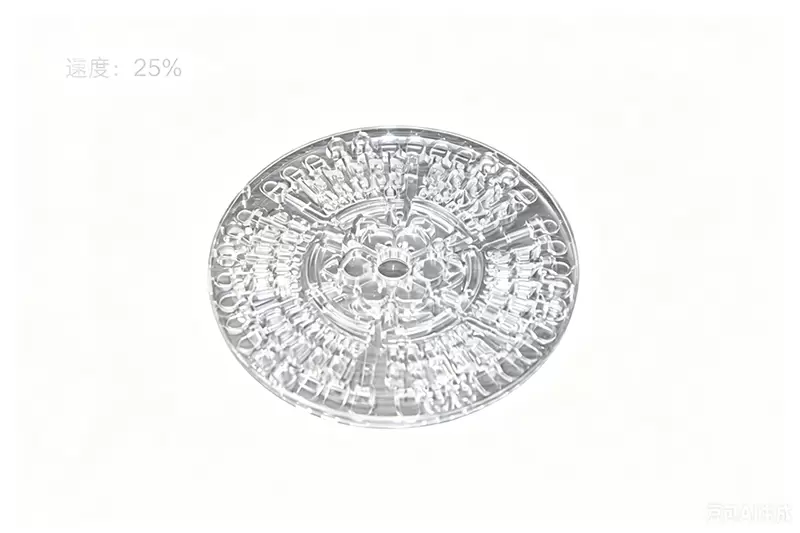
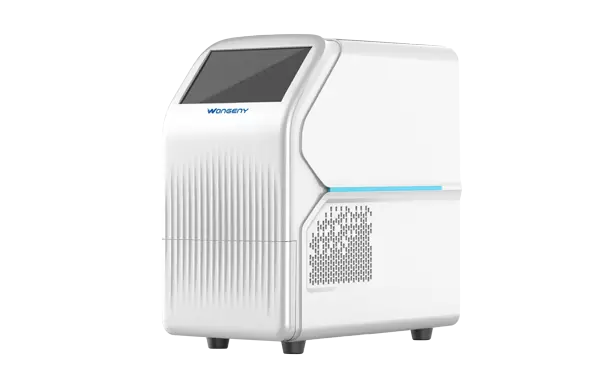
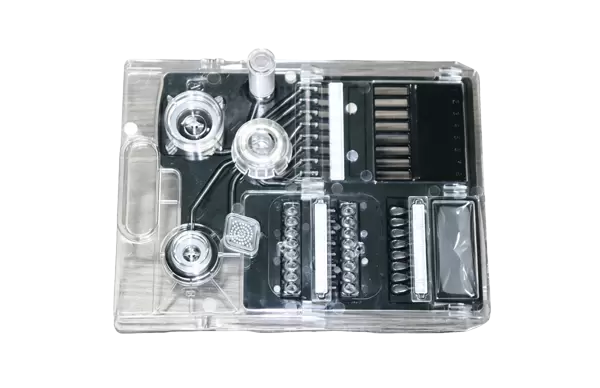
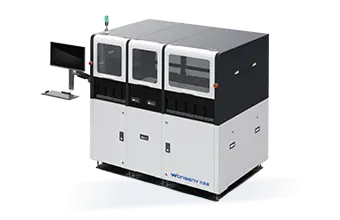
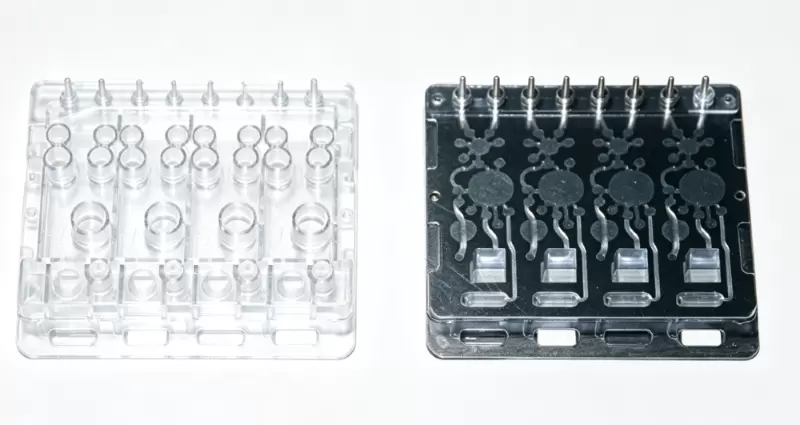
Cartridge microfluidic chips are disposable integrated microfluidic cassettes. All functional units including sample lysis, nucleic acid extraction, reagent storage, valve control, reaction and waste chamber are integrated into a single plastic cartridge, enabling sample-in and answer-out workflow. Mostly fabricated by injection molding for single use with closed structure to prevent contamination, widely applied in POCT molecular diagnostics.
1. Application Scenarios
1.1 Clinical POCT Molecular Diagnostics (Primary Market)
- Respiratory pathogens: multiplex detection of influenza A/B, SARS-CoV-2, Mycoplasma pneumoniae, RSV, etc.
- Infectious diseases: HBV, HCV, HIV, Chlamydia trachomatis, Neisseria gonorrhoeae, etc.
- HPV genotyping for gynecology
- Rapid nucleic acid testing in emergency departments, fever clinics, primary healthcare centers and ICU bedside
- Biochemical/immunoassay cartridges: cardiac markers, liver function indicators, hormones and fluorescence immunoassays
1.2 Forensic Identification
On-site rapid DNA profiling, victim identification after disasters, field processing of forensic samples with closed anti-contamination design without lab support.
1.3 Animal Epidemics, Food & Agricultural Safety
On-site screening of livestock diseases (African swine fever, avian influenza); rapid detection of pathogenic bacteria, GMO and mycotoxins in food; microbial testing for fresh produce and water sources.
1.4 Environmental & Biosecurity
Detection of microbes and toxins in water; field screening of CBRN biological hazards.
1.5 Other Applications
- Companion diagnostics (CDx): rapid liquid biopsy and ctDNA detection for tumors
- Research: organoids, single-cell pre-processing and nucleic acid synthesis chips
Core advantages: closed system to reduce aerosol contamination; simple operation for non-professional operators; compatible with portable analyzers; fast detection; single-use design to avoid cross-contamination.
2. Main Technical Specifications
2.1 Structural & Material Parameters
- Substrate: PS, PC, COC/COP (preferred for low autofluorescence and low adsorption); occasional PMMA; mass production via injection molding
- Outer dimension: typical 50~100 mm × 40~80 mm × 3~10 mm (customizable)
- Channel cross-section: width 50~500 μm; depth 20~300 μm; typical microchannel ~100 μm; reaction chamber at nL~μL scale
- Integrated chambers: sample inlet chamber, lysis chamber, magnetic bead capture chamber, washing chamber, elution chamber, lyophilized reagent storage chamber, amplification reaction chamber, waste collection chamber, bubble trap, microvalves (pneumatic/rotary/heat-actuated)
- Liquid actuation: pneumatic force, centrifugal force, plunger/airbag actuation, capillary force; few digital microfluidic cartridges with electrowetting
2.2 Fluid & Volume Parameters
- Sample loading volume: 20 μL ~ 1 mL (blood / swab eluate)
- Single reaction chamber volume: 0.1 μL ~ 10 μL; multiplex cartridges with 4~96 reaction wells
- Dead volume: preferably <5 μL (critical indicator affecting recovery rate)
- Pre-stored reagents: lyophilized beads (RPA/LAMP/PCR enzyme system) or buffer stored in aluminum blister packs
2.3 Detection Performance for Molecular Cartridges
- Targets: single target up to dozens of multiplex targets (multi-channel fluorescence)
- LOD: 10 ~ 1000 copies/mL (target-dependent)
- Total assay time: 15~60 min (LAMP/RPA faster; PCR relatively longer)
- Temperature control: isothermal amplification (constant 60~65°C) or thermal cycling for PCR (45–95°C); temperature accuracy ±0.3~1°C
- Optical readout: fluorescence (FAM/VIC/ROX etc. multi-channel), colorimetry, chemiluminescence
- Specificity: >98%; sensitivity optimized according to sample matrix
2.4 Manufacturing & Reliability Parameters

 English